

Six assays. One incoming-material receipt.
We mirror the supplier COA against orthogonal in-house assays. If a drum says 99.2 % and we see 94.8 %, you know before it hits your formulation line — not at the customer-complaint step.
Published. Per-test.
No quote calls.
Every assay a la carte, every panel bundled. Bulk discount at 5+ samples. Prices below reflect a single-compound submission.
LC-MS or FTIR identity confirmation against the supplier spec. The minimum check before a drum opens.
- LC-MS or FTIR identity
- Observed m/z or spectral match
- Pass / fail determination
- Public COA + accession #
LC-MS identity + HPLC purity + Karl Fischer moisture + heavy metals scan. The standard incoming-material panel for QC.
- LC-MS identity confirmation
- HPLC purity assay
- Karl Fischer moisture
- ICP-MS heavy-metal scan
- Certificate of Analysis
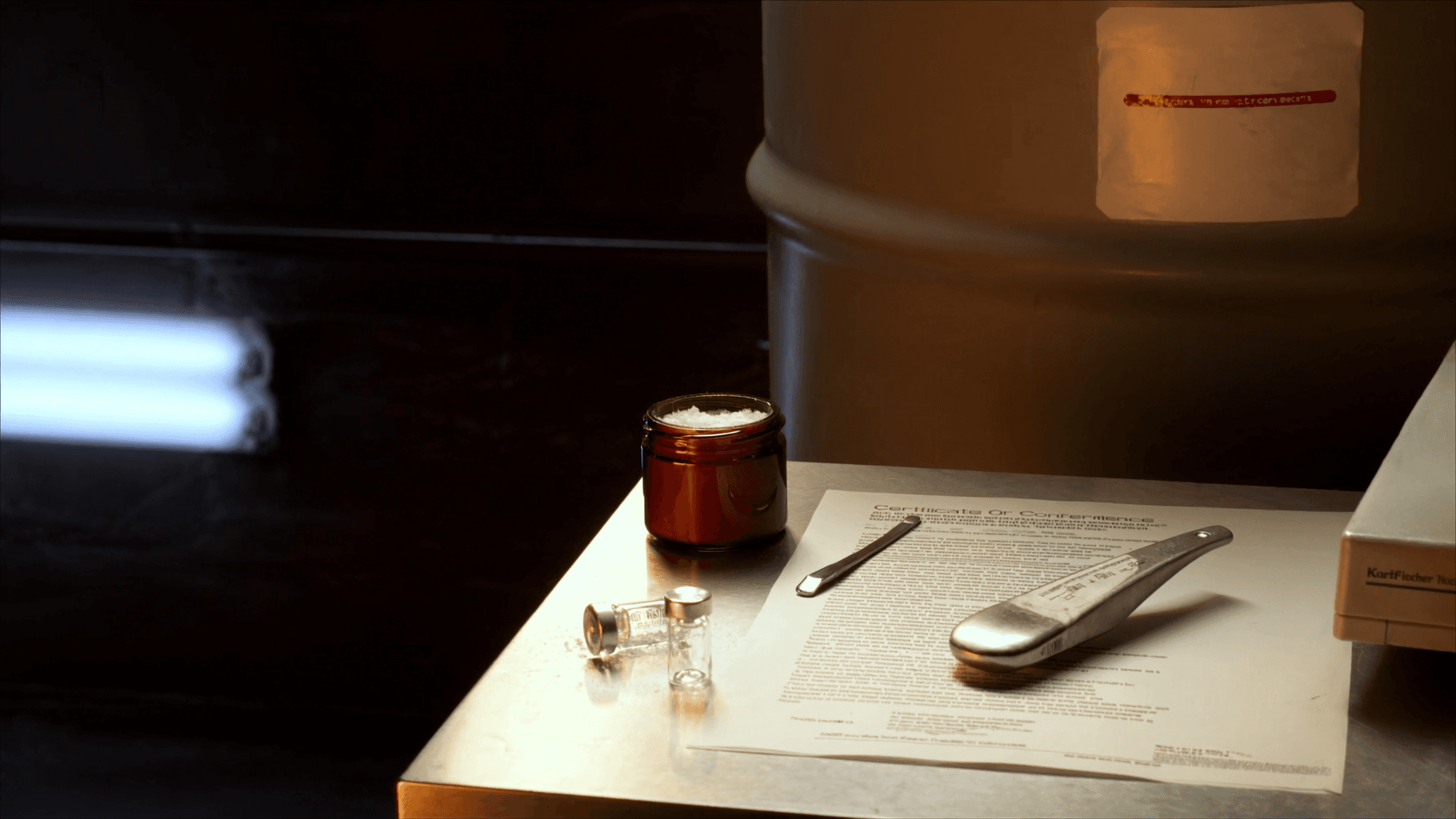
Identity + assay + extended heavy metals + microbial + signed Certificate of Conformance. Designed to drop into a 21 CFR 211 GMP audit package.
- Everything in Identity + Assay
- Extended heavy metals (15-element)
- Microbial limits (USP <61>)
- Endotoxin (USP <85>) on request
- Signed Certificate of Conformance
Where incoming-material QC catches problems.
Supplier-lot drift, mislabeled drums, and recrystallization-residue carryover are the most common reasons a finished-product COA fails. Catching them at incoming inspection is an order of magnitude cheaper than at customer complaint.
USP, ICH, GMP — the supplier audit standard.
Raw-material testing is contract-driven. We map every assay to the standard the buyer or auditor references in the purchase order. Our records support your downstream cGMP filing; we are not the cGMP filer for finished drug.
USP elemental-impurity Permitted Daily Exposure limits for Pb, Cd, As, Hg in pharmaceutical-grade material. Extended catalyst-residue panel (Pd, Pt, Rh) follows the same PDE methodology.
ICH thresholds for reporting (≥ 0.05 %), identification (≥ 0.10 %), and qualification (≥ 0.15 %) of impurities. Q3D for elemental impurity PDE limits. Our HPLC method reports any peak above 0.1 % area; impurities above 0.5 % get individual MS identification.
Mandatory identity testing of incoming components per § 211.84. Our Identity panel ($129) provides the documentation a finished-pharma manufacturer needs to satisfy this regulation per lot.
USP guidance for verifying that a pharmacopeial procedure performs as intended in the testing lab. We document method-suitability data on every USP-method COA so downstream auditors can trace performance.
Yes. SLA pricing for production-cadence QC kicks in at 20+ lots/month; volumes above 100 lots/month qualify for net-30 contract pricing with dedicated batch turnaround. Reach out with your monthly volume and we’ll structure a contract.